How Can Geckos Walk on Ceilings? Their Feet Use Millions of Microscopic Hairs
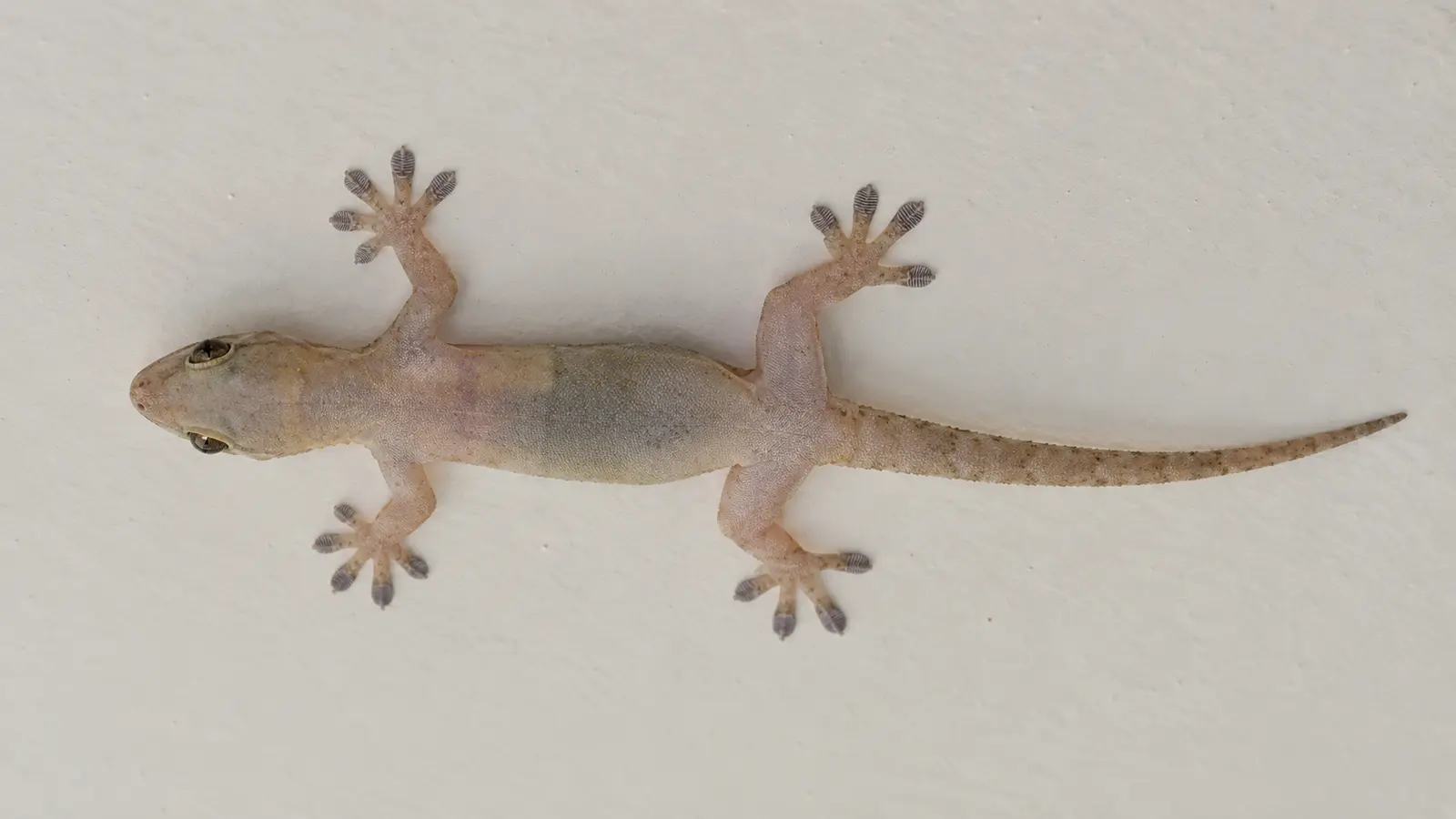
Geckos cling to ceilings using millions of branching hairs that create enormous close contact with a surface, combining countless tiny molecular attractions.

Geckos cling to ceilings using millions of branching hairs that create enormous close contact with a surface, combining countless tiny molecular attractions.

A rabbit’s hind-foot stamp is built to travel: it makes a sharp sound above ground and a vibration that can carry warning into the warren below.

A walking pigeon only looks as though it is nodding continuously. Its head actually pauses in space, giving its eyes a succession of steady snapshots.

That furious-looking burst of grass and soil is usually not a clumsy clean-up attempt. Your dog may be adding a scented signature to the scene.
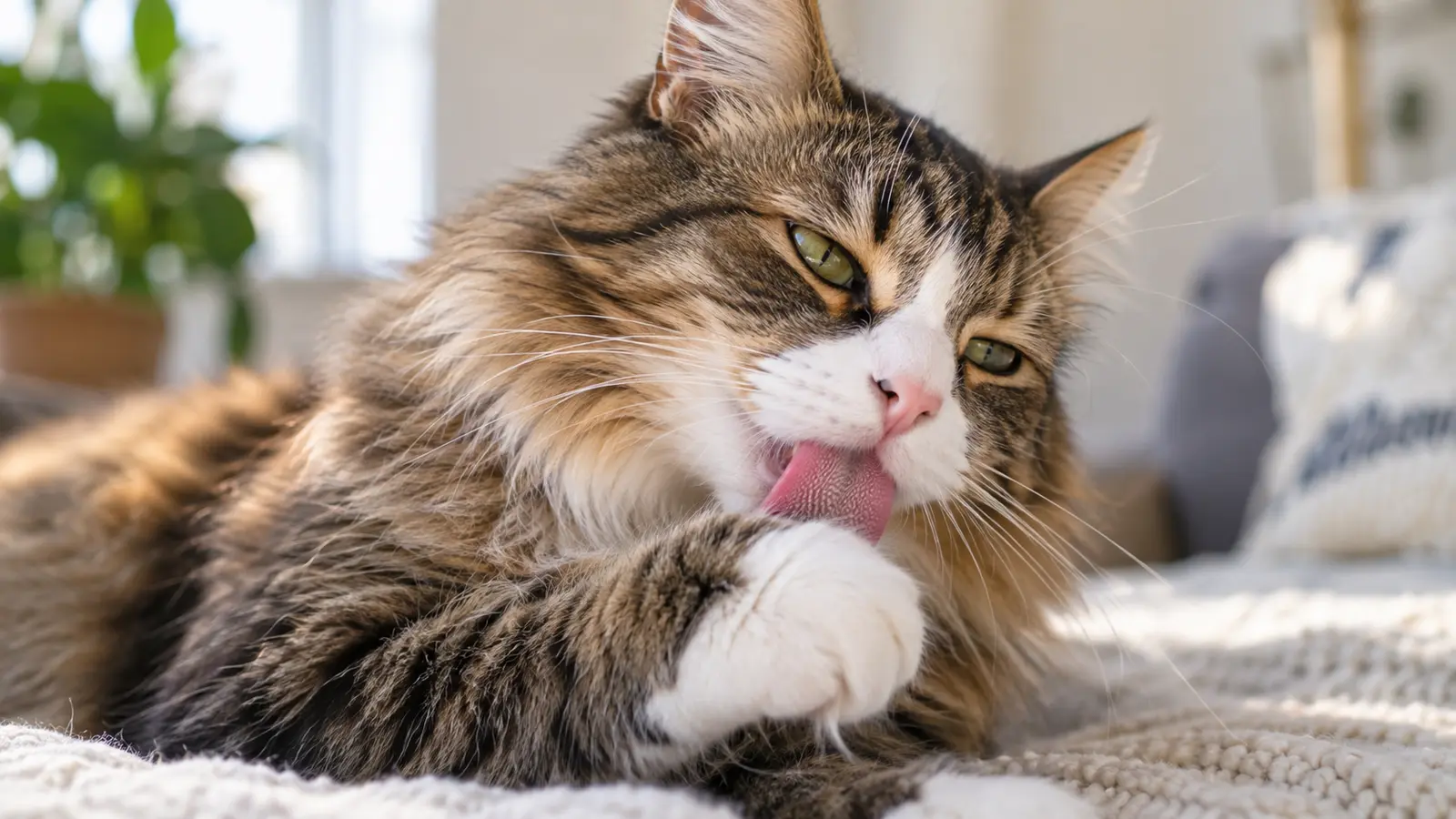
A cat’s tongue feels like sandpaper because it is covered with backward-facing keratin spines. Those tiny structures grip loose hair, carry saliva into the coat, and help handle food.
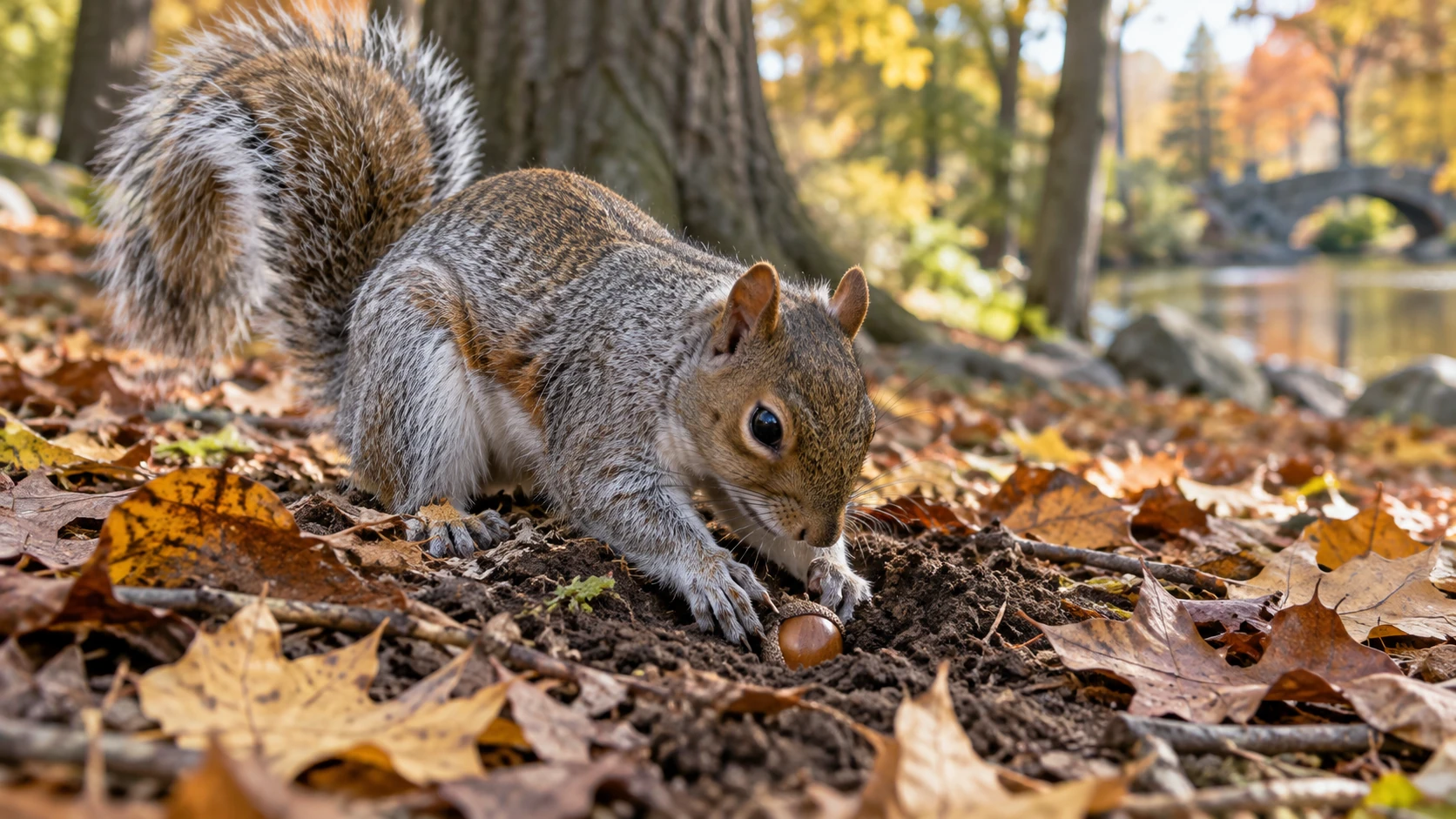
Squirrels bury food because one giant stash would be dangerously easy to steal. By spreading valuable nuts across many small caches, they reduce that risk — and research shows they use memory, landmarks, smell and surprisingly organised strategies to find food again later.
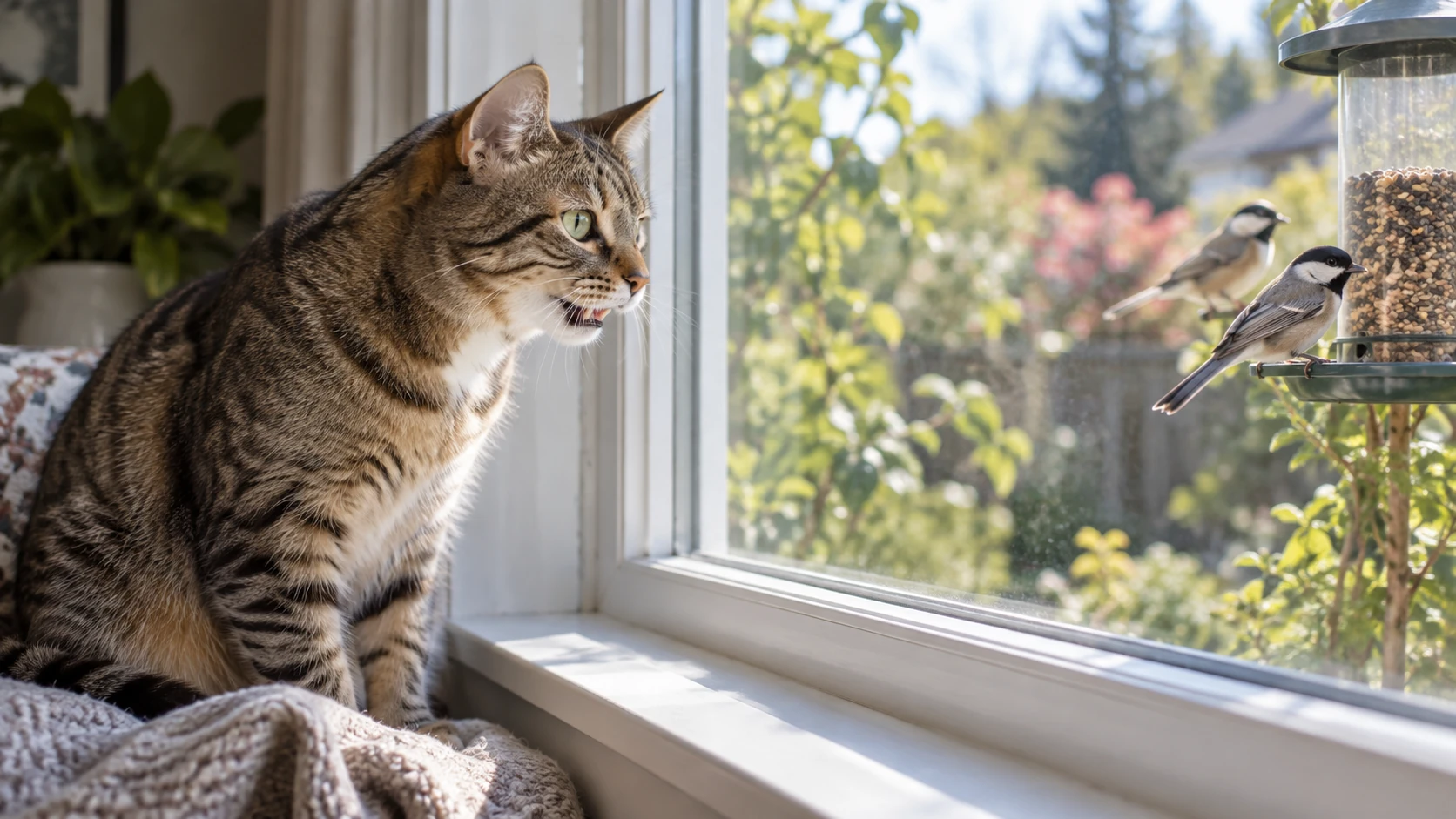
That strange little ek-ek-ek noise at the window is closely tied to a cat’s predatory attention. The exact reason is still uncertain, but excitement, frustration and an instinctive hunting response are all plausible parts of the explanation.
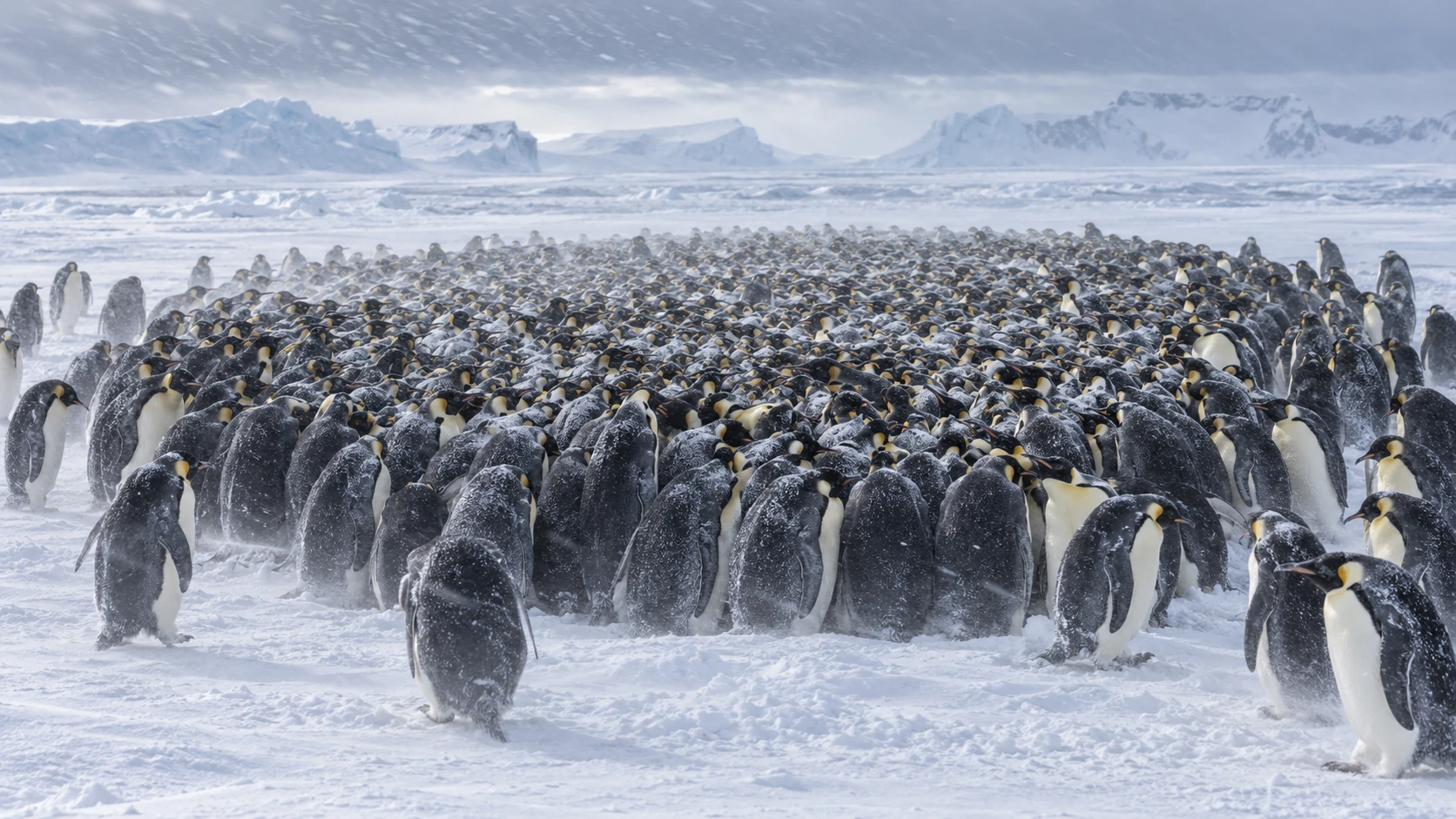
Emperor penguins huddle to cut heat loss and survive brutal Antarctic winter conditions, but the group is not a frozen wall of birds. Tiny coordinated steps ripple through the crowd, gradually reorganising the huddle and changing which penguins are exposed to the cold.

The little turn-turn-turn before a dog settles is probably a mix of inherited bedding behaviour and ordinary comfort. Flattening a sleeping spot, checking the surroundings and getting the body positioned all make more sense outdoors than on a memory-foam bed — but the ritual persists.

A flamingo balancing on one absurdly thin leg looks as though it should be putting in serious effort. Research suggests almost the opposite may be true.