Why Does Salt Melt Ice? It Changes the Temperature Water Can Freeze At

Salt does not simply warm frozen water. It changes the liquid’s freezing point—and its usefulness falls sharply as the temperature keeps dropping.

Salt does not simply warm frozen water. It changes the liquid’s freezing point—and its usefulness falls sharply as the temperature keeps dropping.

For some people, stepping out of a dim room into sunshine produces an instant sneeze. The trigger lies in a curious reflex, not an allergy to daylight.

A phone in the wrong pocket can turn a solid wireless link into stutters. The obstacle is not mysterious interference—it may be your own water-rich torso.

That furious-looking burst of grass and soil is usually not a clumsy clean-up attempt. Your dog may be adding a scented signature to the scene.

That cheerful striped pole outside a barber shop is a relic of bloodletting, bandages and a time when a haircut could come with minor surgery.
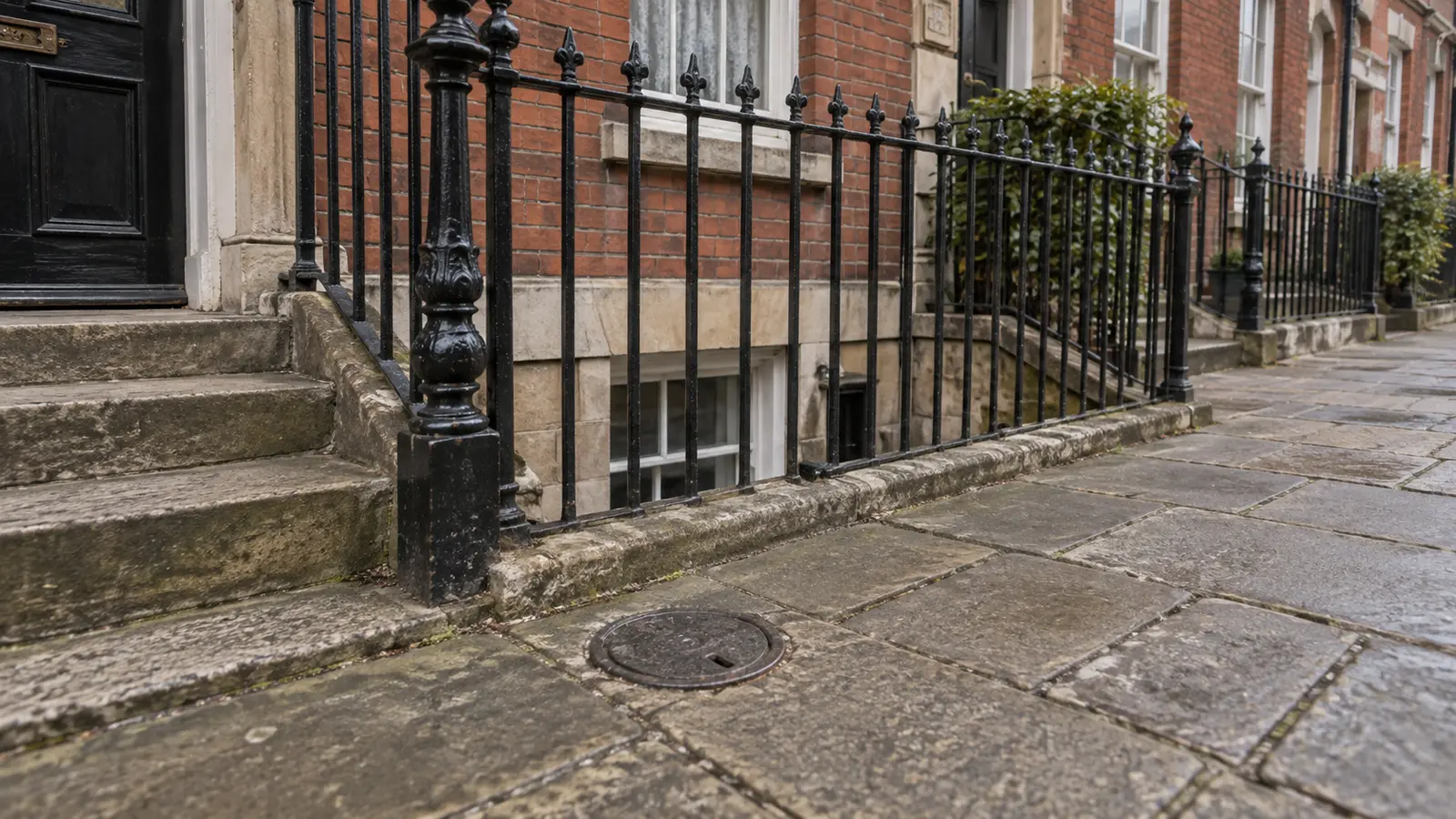
Those round iron discs outside old houses were delivery hatches. Coalmen tipped fuel through them into cellars below, avoiding a filthy journey through the front door.

Popcorn pops because heat turns water inside the kernel into high-pressure vapour. When the tough hull finally breaks, softened starch expands into the familiar white foam.

A leg ‘falls asleep’ when pressure interferes with a nerve’s normal signalling, sometimes also affecting its blood supply. Moving removes the pressure, and the recovering nerve produces that fierce pins-and-needles sensation.

Your phone uses motion sensors to estimate which way gravity is pulling, then software decides whether portrait or landscape makes sense. The screen is not rotating by instinct — just very fast maths.
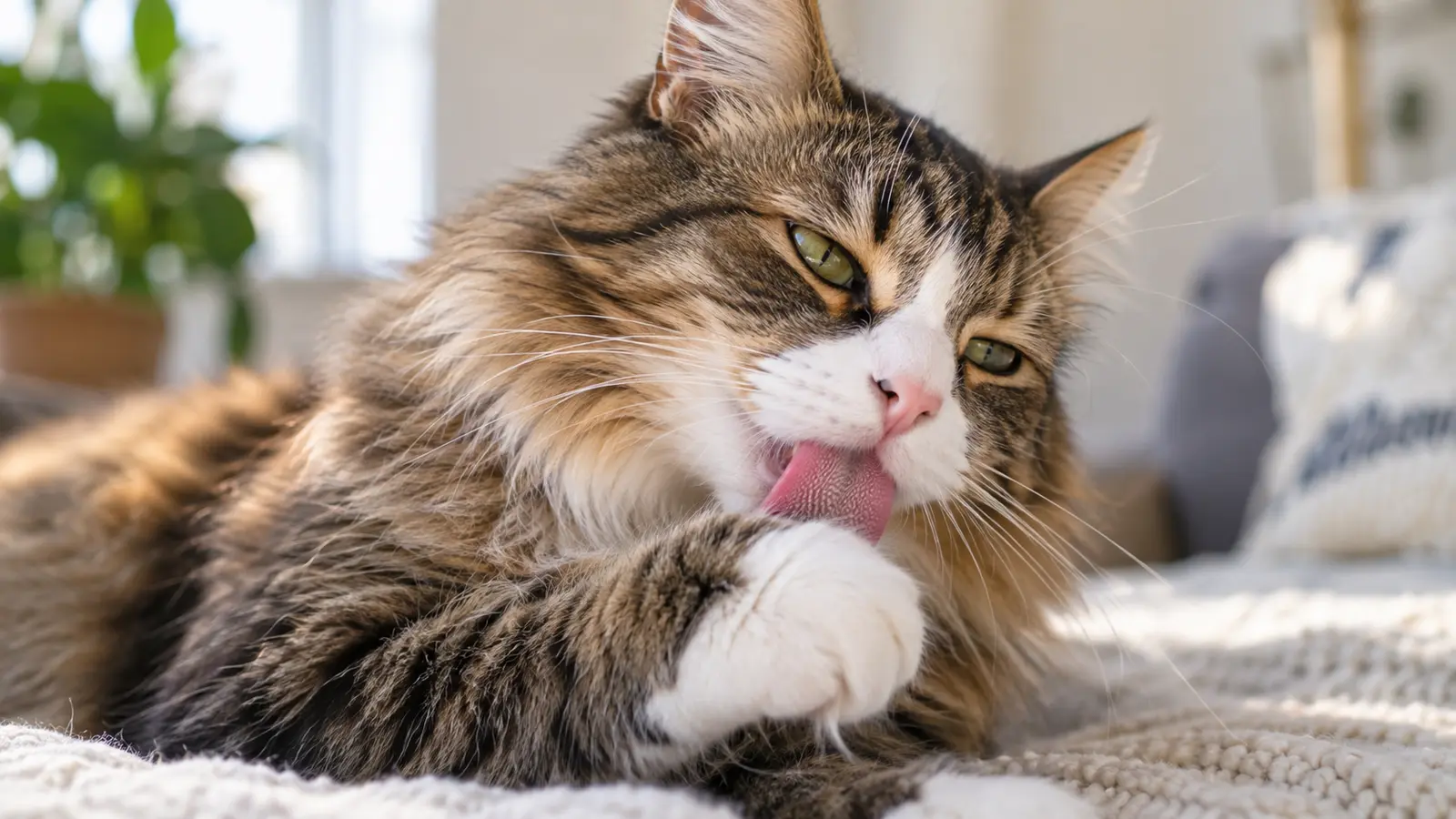
A cat’s tongue feels like sandpaper because it is covered with backward-facing keratin spines. Those tiny structures grip loose hair, carry saliva into the coat, and help handle food.